
Russian Manicure Dubai: What It Is, What It Does, and Why It’s Taken Over
Russian manicure is now Dubai’s most requested nail service. Here’s exactly what happens during one, why it lasts so much longer than a regular manicure, and what to look for in a specialist before you book.
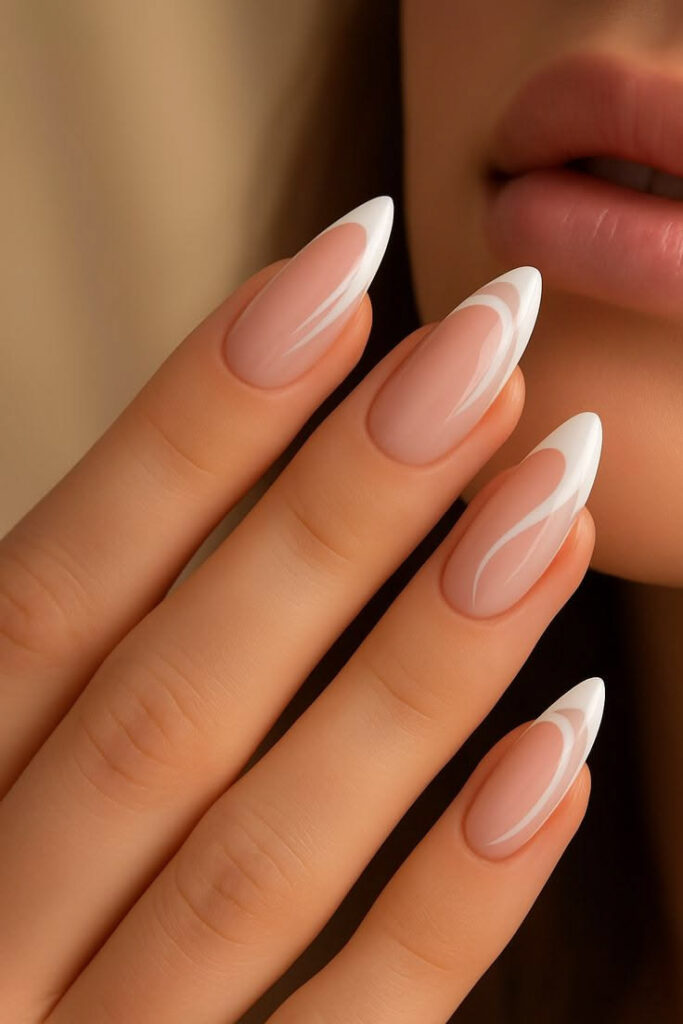
She Looked at Her Nails Differently After That
She’d had manicures before. Plenty of them.
Good ones, even. But they always looked like manicures — polish over nails, neat enough, done. She’d never thought to want anything more specific than that.
Then she tried a Russian manicure.
She looked at her hands afterward and couldn’t immediately say what was different. The nails were the same shape. The color she’d chosen was similar to what she’d worn before. But something about the whole picture had changed.
The cuticle line was clean in a way she’d never seen on her own hands. The gel sat right at the edge of the skin — not floating above it, not leaving a visible gap — like the nails had simply grown that way. They looked, for the first time, entirely themselves. Just the best version of themselves.
That’s the Russian manicure. And it’s why women who try it once almost never go back to a standard gel service.
This article explains exactly what happens during one, why the result lasts so much longer, and what separates a Russian manicure done properly from one that isn’t.
What Russian Manicure Actually Is
Russian manicure — also called a dry manicure or e-file manicure — is a precision nail technique that uses an electric file to work around the cuticle area with a level of accuracy no hand tool can replicate.
The defining characteristic is that it’s completely dry. No water. No soaking.
That distinction matters more than it sounds.
Here’s why water is actually the enemy of a long-lasting manicure.
Nails are porous. They absorb water and expand when soaked — the same way wood swells in moisture. A standard manicure soaks the hands to soften the cuticle, then applies gel to the expanded nail plate. As the nail dries out over the next 24 hours, it contracts back to its original size. That contraction breaks the bond between the nail plate and the gel polish — creating lifting, peeling, and chips within the first week.
Russian manicure eliminates this problem entirely. The nail is never exposed to water. The gel is applied to a dry, stable surface that doesn’t contract afterward. The bond holds.
But the dry preparation is only part of what makes Russian manicure different. The other part is what the e-file actually removes.
The Invisible Cuticle — Why Most Manicures Lift
There’s a thin layer of dead skin that grows invisibly across the nail plate from the base. Nail technicians call it the pterygium or invisible cuticle.
Most standard manicures miss it. The cuticle is pushed back or trimmed at the skin level, but this invisible layer — which has already migrated onto the nail surface — stays behind.
Applying gel polish over this invisible cuticle is the equivalent of painting over dust. The polish bonds to the dead skin rather than the nail plate. That dead skin eventually separates. The polish goes with it.
The e-file in a Russian manicure removes this layer completely. Fine drill bits work systematically across the nail plate, lifting and removing everything that shouldn’t be there — not just at the visible cuticle line, but across the entire nail surface.
What’s left is a completely clean, perfectly prepared nail plate — one that gel polish bonds to directly, without any layer of dead skin in between.
A 2026 peer-reviewed systematic literature review published in the Didaktik journal confirmed that Russian manicure improves nail cleanliness and produces a more professional and longer-lasting result compared to traditional techniques — while emphasizing that proper training and hygiene standards are essential to safe outcomes.
That last point matters. We’ll come back to it.

The Full Process — Step by Step
Understanding what happens at each stage helps you recognize whether the service you’re receiving is being done properly.
Step 1 — Nail plate preparation The specialist uses a fine e-file bit to remove shine from the nail plate surface. This isn’t aggressive filing — it’s light surface preparation that creates micro-texture for better product adhesion.
Step 2 — Cuticle area work A series of specialized bits work around the cuticle zone. Each bit has a specific purpose — removing the pterygium from the nail plate, cleaning the lateral nail folds (the sides), tidying the hyponychium (the skin under the free edge). This is the most technically demanding part of the service. The margin for error is measured in millimeters.
Step 3 — Cuticle nippers (precision trimming) Any remaining dead skin at the cuticle line is removed with precision nippers. A trained specialist removes only dead tissue — the white, dry, detached skin. Living tissue — the eponychium that seals the nail matrix — is never cut. This is the fundamental safety rule of Russian manicure.
Step 4 — Nail shaping The nail is filed to the chosen shape. Because the preparation is so thorough, the shaping at this stage produces a cleaner edge than a standard manicure file produces on an unprepared nail.
Step 5 — Gel application With the nail plate completely clean and dry, gel is applied in thin, even layers. Each layer is cured under a UV or LED lamp. Because there’s no invisible cuticle layer to adhere to, the gel bonds directly to the nail plate. The application can sit closer to the skin than a standard manicure allows — which creates the distinctive clean line at the cuticle that women describe as looking different from anything they’ve had before.
Step 6 — Finish and seal Top coat applied. Cuticle oil worked into the surrounding skin. The service ends with hydrated, healthy skin and a result that looks precise from every angle.
The whole process takes approximately 60 minutes, depending on nail condition and whether nail art is added.
Why It Lasts So Much Longer
The combination of dry preparation and thorough invisible cuticle removal produces a result that holds significantly longer than a standard gel manicure for three specific reasons.
No contraction. Because the nail was never soaked, it doesn’t contract and break the gel bond. The physical reason most gel manicures lift within two weeks is simply eliminated.
No invisible cuticle layer. Because the pterygium was completely removed, the gel bonds to nail plate rather than dead skin. There’s nothing to separate and take the polish with it.
Closer application. Because the cuticle area is cleaner, the gel can be applied closer to the skin. This means as the nail grows, the regrowth gap appears later — the manicure looks intentional for longer even as the natural nail extends.
Most women report their first Russian manicure lasting 3–4 weeks without significant lifting or chipping. Many extend to 4 weeks comfortably with proper aftercare. This compares to the 1–2 weeks that most standard gel manicures hold in Dubai’s climate.
Russian Manicure and Nail Health
This is the question worth addressing directly, because Russian manicure has attracted both loyal devotees and genuine concern.
Done correctly, by a properly trained specialist: Russian manicure is safe and actually supports nail health over time. The thorough preparation means each new service starts from a clean base. The precise application means less product buildup over repeated services. The soak-off gel removal, when done professionally, avoids the aggressive filing that damages the nail plate.
Done incorrectly, by an under-trained technician: Russian manicure carries real risks. The nail matrix — the root where the nail is made — sits millimeters beneath the surface at the base of the nail. Damage here can cause permanent ridging, splits, or nails that never grow back correctly. The eponychium — the living skin that seals the nail matrix from bacteria — should never be cut. Cutting it creates a path for infection.
This is not a reason to avoid Russian manicure. It’s a reason to choose your specialist carefully.
The distinction is training. A specialist who has learned the anatomy of the nail — who knows exactly what is dead tissue and what is living, what can be removed and what cannot — produces a result that’s safe and beautiful. A technician who learned the technique without the underlying anatomy is the source of every Russian manicure horror story.
DHA certification in Dubai is the professional standard for nail practitioners. It requires assessment of technical knowledge and hygiene standards — not just practical skill. You can verify DHA licensing requirements at dha.gov.ae.

Russian Manicure vs. Standard Gel Manicure — The Real Comparison
| Russian Manicure | Standard Gel Manicure | |
| Preparation | Dry — e-file, no water | Wet — soaking to soften cuticle |
| Invisible cuticle removal | Complete — e-file removes all dead skin from nail plate | Partial — push-back only |
| Nail plate expansion | None — dry throughout | Yes — water causes expansion and later contraction |
| Gel adhesion | Directly to nail plate | To nail plate and possibly invisible cuticle |
| Cuticle line precision | Exceptional — e-file allows application very close to skin | Good — limited by hand-tool precision |
| Typical longevity | 3–4 weeks | 1–2 weeks |
| Appointment time | 60 minutes | 45–60 minutes |
| Regrowth visibility | Slower — cleaner line extends the window | Faster — regrowth visible sooner |
| Best for | All nail types, especially those with persistent lifting | Healthy nails wanting color and moderate durability |
Who Russian Manicure Is Right For
The woman whose gel keeps lifting before two weeks. This is almost always the invisible cuticle issue — polish bonded to dead skin that separates. Russian manicure removes that layer entirely. Most women who switch to Russian technique describe the first appointment as the first time their manicure lasted as long as it was supposed to.
The woman who’s been told her nails are “too difficult.” Wide nail beds. Curved nail plates. Nails that naturally lift at the edges. These are not problems — they’re nail types that require a specialist who understands nail anatomy well enough to adapt the technique. A good Russian manicure specialist adapts every step to the specific nail they’re working on.
The woman who wants precision without drama. Russian manicure produces a clean, refined result — not a dramatic transformation. The nails look like very good versions of themselves. Not longer, not thicker, not fake. Just exactly right.
The woman who travels or is frequently photographed. Nails that photograph consistently well, hold through travel and climate changes, and don’t require emergency fixes between trips. Russian manicure is specifically suited to this lifestyle — the result holds without the daily management a more fragile manicure requires.
The nail biter or picker trying to stop. Russian manicure doesn’t change the impulse. But the result is so precise and so clean that many women find they simply don’t want to interfere with it. The aesthetic quality of the result becomes its own deterrent.
Who Is Better Suited to a Standard Gel Service
Russian manicure is not for everyone. Be honest about this in the consultation.
If you change your nail color every 1–2 weeks by preference, the additional preparation time of a Russian manicure isn’t justified. A well-executed standard gel service is the more efficient choice.
If your nail condition is currently compromised — very thin, damaged by previous services, or showing signs of infection or sensitivity — a standard gel service with appropriate treatment is a better starting point. Russian manicure on damaged nails requires a specialist who knows how to adapt the technique significantly. If you’re not sure your specialist has that skill, start conservatively.
If you’ve had a bad experience with Russian manicure — soreness, redness, damage — the technique wasn’t the problem. The specialist was. That’s worth knowing before deciding Russian manicure isn’t for you.
Related: The Complete Guide to Nail Services in Dubai 2026

What to Ask Before Your Russian Manicure Appointment
These questions tell you quickly whether the specialist has been properly trained.
“What bits do you use for the cuticle work?” A trained specialist can name the specific bits they use and explain what each one does. Someone who learned the technique without the anatomy typically can’t answer this specifically.
“Do you cut the eponychium?” The correct answer is no — never. The eponychium is living tissue that protects the nail matrix. A specialist who says yes, or who doesn’t know the term, is not working at the level this service requires.
“How do you adapt the technique for damaged or thin nails?” They should describe specific adjustments — lighter bits, reduced pressure, specific sequences. A generic answer suggests they haven’t needed to adapt the technique before, which means they haven’t been working with the full range of nail types.
“What aftercare do you recommend specifically for Dubai’s climate?” Hard water and UV — the two factors that affect nail longevity most in Dubai — should feature in the answer. If they don’t, the specialist isn’t thinking beyond the appointment.
Aftercare: Making Your Russian Manicure Last in Dubai
The effort invested in a proper Russian manicure is worth protecting between appointments.
Cuticle oil — every day. This is the single most important aftercare habit. Apply cuticle oil to each nail and massage it into the surrounding skin every morning or evening. Hydrated skin doesn’t pull away from the nail edge. Dry skin does — and when it pulls, it takes the gel edge with it.
Gloves for prolonged water exposure. Washing up, cleaning, anything involving sustained water contact. A single session of unprotected washing up doesn’t ruin a Russian manicure. Repeated exposure over weeks does. The cumulative effect of water swelling the nail under the gel weakens the bond gradually.
No picking at lifting edges. If a small area of gel begins to lift — and eventually it will — leave it alone. Picking removes layers of the natural nail with the gel. The damage isn’t to the polish. It’s to the nail underneath. Book a professional removal or a touch-up.
UV protection matters here. Dubai’s sun bleaches lighter gel colors over time. A UV-protective top coat or avoiding prolonged direct sun exposure on freshly done nails extends color accuracy. Not essential but worth knowing for women with lighter, more UV-sensitive shades.
Hard water and shower filters. Dubai’s tap water deposits minerals on the nail surface that dull gel finish and affect adhesion over repeated washings. A basic shower filter reduces this meaningfully for women who wash their hair daily.
Related: How Often Should You Really Visit a Salon?
What Clients Say About Getting It Right
Madam M comes back every time. That’s the most honest endorsement a nail service can receive:
“I always come to your salon to do my nails and your work is amazing. It’s very clean, precise, and always done perfectly. I’m really happy with the quality and would definitely recommend you to others.”
Clean. Precise. Always done perfectly. Not one appointment. Every appointment. That consistency — across visits, across time — is what a properly trained specialist with proper systems produces. It doesn’t happen by accident.
Sreethi noticed both the result and the experience surrounding it:
“Just loved how my nail turned out. Zahrah you did a fab job. Would recommend to get your nails done by this salon and from Zahrah. They pamper you with drinks of your choice and chocolates too. What else does a girl need?”
The nail result and the environment — both present, both done properly. That question at the end — “what else does a girl need?” — is a complete satisfaction signal. Nothing was missing.
Jasmin N arrived and found the standard she hadn’t expected:
“Their WA response is so fast, the salon is beautiful, they have a drink menu — you feel so pampered — and Hayma is so amazing at her craft. She’s such a sweet girl as well, and I love my nails.”
“So amazing at her craft.” Not at customer service. Not at being friendly. Her craft. The technical skill itself. That’s the recognition that comes from watching someone work on your nails with genuine mastery.
Frequently Asked Questions
What is a Russian manicure and how is it different from a regular manicure?
A Russian manicure is a dry nail technique that uses an electric file (e-file) to remove the invisible cuticle layer from the nail plate before any polish is applied. Unlike a regular manicure, which soaks the hands in water and pushes the cuticle back manually, a Russian manicure works on completely dry nails — eliminating the nail expansion that causes standard gel to lift and chip prematurely. The result is a cleaner cuticle line, better gel adhesion, and a manicure that typically lasts 3–4 weeks versus 1–2 weeks for a standard gel service.
How long does a Russian manicure last in Dubai?
Most women find a Russian manicure lasts 3–4 weeks in Dubai with proper aftercare. Dubai’s hard water, UV exposure, and air conditioning can accelerate gel fade and lifting compared to softer climates — but the Russian technique’s dry preparation and complete invisible cuticle removal gives it a significant durability advantage over standard gel. Daily cuticle oil, gloves for prolonged water exposure, and avoiding picking at any lifting edges are the three aftercare habits that make the biggest difference to longevity.
Is Russian manicure safe?
Yes — when performed by a properly trained specialist. The technique works only on dead tissue. The living skin (eponychium) that protects the nail matrix is never cut in a correctly performed Russian manicure. The risks associated with Russian manicure — nail damage, soreness, infection — are almost always the result of under-trained application, not the technique itself. Choosing a DHA-certified specialist who understands nail anatomy is the most important safety decision you can make for this service.
How much does a Russian manicure cost in Dubai?
Russian manicure pricing in Dubai varies by salon and location. At Elaris, a Russian manicure with gel polish is AED 230. This includes the full e-file preparation, cuticle work, gel application and cure, and cuticle oil finish. A Russian pedicure with gel polish is also AED 230. The additional cost over a standard gel manicure reflects the additional time, skill, and preparation involved in the Russian technique.
Can I get Russian manicure if my nails are damaged or thin?
Yes — with appropriate technique adaptation. Thin or damaged nails require a specialist who adjusts the e-file pressure and bit selection accordingly. The Russian technique can actually benefit damaged nails by removing the dead skin buildup that often makes damaged nails harder to manage, and by creating a clean base for strengthening overlays like BIAB. Be transparent about your nail history at the consultation so the specialist can adapt the service to your current nail condition.
How often should I book a Russian manicure refill?
Every 3–4 weeks is the standard interval for most women. At 3 weeks, the regrowth gap is visible but the gel is typically still in good condition. At 4 weeks, most gel has grown out enough that a full new service rather than a simple refill may be more appropriate depending on the condition. In Dubai specifically, scheduling closer to 3 weeks during summer — when the combination of heat, humidity, and frequent hand washing can accelerate wear — keeps results looking consistently intentional.